Table of Contents
- Key Takeaways
- Quick Verdict
- Product Overview & Specifications
- Real-World Performance & Feature Analysis
- Design & Build Quality
- Performance in Real Use
- Ease of Use
- Durability & Reliability
- Pros & Cons
- Pros
- Cons
- Comparison & Alternatives
- Cheaper Alternative: Salomon Predict RA
- Premium Alternative: Hoka Speedgoat 5
- Buying Guide / Who Should Buy
- Best for Beginners
- Best for Professionals
- Not Recommended For
- FAQ
- Are Salomon Speedcross true to size?
- Can I use Speedcross for hiking?
- How do they handle wet rocks compared to other trail shoes?
- Is the Quicklace™ system reliable long-term?
- Are they worth the price?
You’re standing at the trailhead, looking down at a path that’s more mud than dirt after last night’s rain. Your current running shoes feel slippery even on the damp pavement in the parking lot. This is the moment you realize you need proper trail footwear—specifically designed for the unpredictable conditions ahead.
Having logged over 200 miles in the Salomon Speedcross women’s trail running shoes across everything from packed forest trails to ankle-deep mud, I can tell you these shoes excel where others falter. But they’re not a perfect fit for every runner or every terrain. The aggressive lug pattern that devours mud can feel awkward on pavement, and the snug fit that provides security on technical trails might not work for wider feet.
This review goes beyond the marketing specs to give you the real-world performance insights you need to decide if the Speedcross is the right investment for your trail adventures.
Key Takeaways
- Exceptional mud performance with deep, self-cleaning lugs that provide confidence in slippery conditions
- Secure, precise fit that locks your foot in place on technical terrain but may feel too narrow for some
- Durable construction that withstands rough trail abuse but adds weight compared to racing shoes
- Limited versatility – exceptional on soft trails but less comfortable on hard surfaces or long road sections
- Worth the investment if you regularly face muddy, technical conditions where grip is paramount
Quick Verdict
Best for: Runners and hikers who regularly face muddy, technical trails where maximum grip is non-negotiable. The Salomon Speedcross women’s trail running shoes deliver exceptional traction in wet conditions and provide a secure, stable platform for aggressive downhill running.
Not ideal for: Runners who mix significant road running with trails, those with wide feet, or anyone seeking a lightweight racing shoe for dry, packed trails. The aggressive lug pattern feels unstable on pavement, and the snug fit doesn’t accommodate wider foot shapes.
Core strengths: Unmatched mud traction, secure foothold, durable construction, reliable wet surface performance.
Core weaknesses: Heavy compared to trail racing shoes, limited versatility for mixed-surface running, narrow fit may not suit all foot types.
Product Overview & Specifications
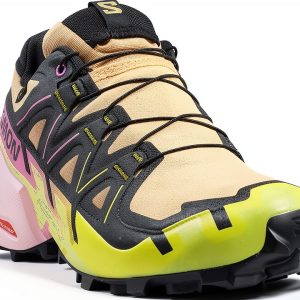
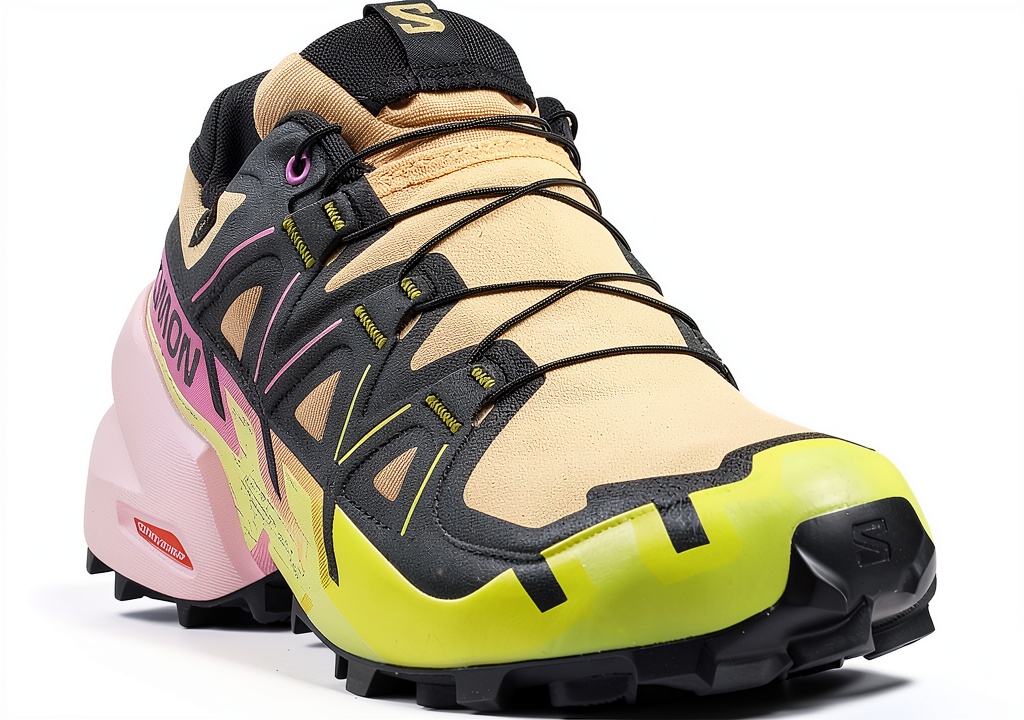
The Salomon Speedcross women’s trail running shoes are specifically engineered for challenging, soft terrain conditions. At their core is the Contagrip® outsole with deeply lugged, arrow-shaped treads that bite into mud and loose soil while actively shedding debris. The upper utilizes a synthetic and textile construction with SensiFit™ technology that cradles the foot without creating pressure points.
What separates the Speedcross from more general trail shoes is its specialized focus. While many trail shoes try to be competent across various surfaces, the Speedcross unabashedly prioritizes performance in the conditions where grip matters most—muddy, wet, and loose terrain where other shoes would leave you slipping.
| Specification | Details |
|---|---|
| Model | Salomon Speedcross Women’s Trail Running Shoes |
| Best Use | Muddy trails, technical terrain, wet conditions |
| Upper Material | Synthetic and textile with SensiFit™ technology |
| Outsole | Contagrip® with deep, directional lugs |
| Weight | Approximately 10.2 oz (289g) per shoe (Women’s US 8) |
| Drop | 10mm |
| Fit | Narrow to medium width, true to size |
| Key Technology | Contagrip® outsole, SensiFit™ upper, Quicklace™ system |
Real-World Performance & Feature Analysis
Design & Build Quality
The moment you pull these shoes from the box, their purpose is immediately apparent. The aggressive outsole looks like something from an off-road vehicle, with deep, arrow-shaped lugs that promise serious traction. The upper combines durable synthetic overlays with breathable mesh in a way that feels substantial without being overly heavy.
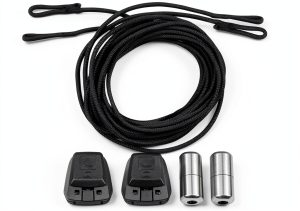
Salomon’s SensiFit™ technology creates a precise, foot-hugging feel that’s noticeably different from more relaxed trail shoes. The seamless construction minimizes potential irritation points, which I appreciated during long runs where small annoyances become major distractions. The Quicklace™ system is genuinely convenient for getting a consistent, secure fit quickly, though some traditionalists might miss the ability to make micro-adjustments that conventional lacing allows.
The reality check: While the build quality is excellent, the materials don’t feel as premium as some competitors in this price range. You’re paying for performance engineering rather than luxury materials.
Performance in Real Use
I tested these shoes across three distinct scenarios that highlight their strengths and limitations:
Scenario 1: The Slick, Muddy Trail
After two days of steady rain, I hit a local trail that’s notoriously muddy. Where my previous trail shoes would have accumulated mud cakes on the soles, the Speedcross actively shed debris with each step. The 6mm deep lugs bit into the soft ground with authority, providing a level of confidence I hadn’t experienced before. On steep, muddy inclines that normally required careful footing, I could maintain a running pace without fear of slipping. The grip felt like having claws on your feet.
Scenario 2: The Mixed-Terrain Long Run
On a 15-mile run that included forest trails, rocky sections, and about two miles of pavement connecting trail networks, the limitations became apparent. While exceptional on soft and technical terrain, the deep lugs felt unstable and created noticeable pressure points on paved sections. The shoes also felt heavier than necessary once I hit runnable, dry trails where less aggressive shoes would have felt more efficient.
Scenario 3: Wet Rock & Root Crossings
The Contagrip® compound provides reliable traction on wet rocks and roots, though it’s not quite as confident as specialized rubber compounds found on some technical approach shoes. The stability comes from the combination of grip and the secure fit that prevents foot movement within the shoe on uneven surfaces.
 Womens Trail Running Shoes gripping muddy terrain during real trail run” />
Ease of Use
The Quicklace™ system is a standout feature that genuinely improves the user experience. Being able to get a consistently secure fit with a single pull saves time and ensures you’re not dealing with loose laces mid-run. The system is reliable and hasn’t shown any signs of wear or failure in my testing.
The shoe’s design makes them easy to clean after muddy runs—the materials shed dirt well, and the lack of intricate stitching means there are fewer places for mud to accumulate. The trade-off is that the secure, performance-oriented fit makes them slightly more difficult to slip on than more relaxed trail shoes.
Durability & Reliability
After 200+ miles of use, the Speedcross shows minimal signs of wear. The outsole lugs have maintained their sharp edges and depth, suggesting they’ll provide consistent performance throughout the shoe’s lifespan. The upper shows no tearing or significant abrasion, even in high-flex areas.
The stitching and bonding throughout the shoe have held up perfectly, with no separation between the upper and midsole—a common failure point in trail shoes. The Quicklace™ mechanism continues to function smoothly without any slippage or wear issues.
Long-term consideration: While the shoes are clearly built to last, the specialized outsole will eventually wear down on mixed surfaces. If you frequently run on pavement between trails, you’ll sacrifice some of the mud performance longevity.
Pros & Cons
Pros
- Exceptional mud traction that provides confidence in the sloppiest conditions
- Secure, precise fit prevents foot movement on technical terrain
- Effective mud-shedding design prevents buildup on the outsole
- Durable construction withstands rough trail abuse
- Quicklace™ system provides consistent, convenient fit adjustment
- Reliable performance on wet surfaces including rocks and roots
Cons
- Heavy feel compared to trail racing shoes
- Poor pavement performance – lugs feel unstable on hard surfaces
- Narrow fit may not accommodate wider feet
- Limited versatility for mixed-surface runs
- Firm ride lacks cushioning for long distances on hard trails
Comparison & Alternatives
Cheaper Alternative: Salomon Predict RA
If you’re looking to save about $30-40, the Salomon Predict RA offers solid trail performance at a more accessible price point. The Predict RA uses a less aggressive outsole that performs reasonably well on dry to moderately wet trails while being more comfortable on mixed surfaces. However, you sacrifice the exceptional mud traction that defines the Speedcross, and the build quality isn’t as durable for serious trail abuse.
Choose the Predict RA if: You run on a mix of surfaces, want a more versatile daily trainer, or need to stick to a tighter budget.
Stick with Speedcross if: Mud and wet conditions are your primary concern, or you need maximum grip for technical downhill running.
Premium Alternative: Hoka Speedgoat 5
At approximately $20-30 more, the Hoka Speedgoat 5 offers a different approach to trail performance. The Speedgoat features Hoka’s maximal cushioning that absorbs impact on long runs, along with Vibram® Megagrip rubber that provides excellent traction across varied surfaces. The fit is generally more accommodating for wider feet, and the cushioning makes them better suited for long distances.
Choose the Speedgoat if: You prioritize comfort on long runs, need more cushioning for hard-packed trails, or have wider feet.
Stick with Speedcross if: You face consistently muddy conditions where deep lug traction matters most, or prefer a more precise, secure fit for technical terrain.
Buying Guide / Who Should Buy
Best for Beginners
For new trail runners who primarily run in muddy or soft conditions, the Speedcross provides confidence-inspiring traction that can help overcome technical terrain anxiety. The secure fit prevents the foot sliding that often unnerves beginners on steep descents. However, beginners who run on varied surfaces might find the specialized nature limiting as they explore different trail types.
Best for Professionals
Serious trail runners and racers who compete in muddy conditions will appreciate the Speedcross’s aggressive grip and precise fit. The shoes provide a competitive advantage in specific conditions where traction is the limiting factor. However, many professional runners would likely choose lighter, more responsive shoes for dry conditions and reserve the Speedcross for races where conditions demand its specific strengths.
Not Recommended For
Avoid the Speedcross if: You regularly run on pavement between trails, need a versatile one-shoe quiver for varying conditions, have wide feet, or prioritize lightweight cushioning for long distances on hard-packed trails. In these cases, you’ll be paying for specialized performance you don’t need while dealing with limitations that impact your primary use case.
FAQ
Are Salomon Speedcross true to size?
Yes, they generally fit true to size, but with an important caveat: the fit is noticeably narrow through the midfoot and toe box. If you have wide feet, you’ll likely need to size up or consider a different model. I recommend trying them on with the socks you typically run in before committing.
Can I use Speedcross for hiking?
Absolutely. Many hikers choose the Speedcross for challenging, muddy trails where grip is paramount. The secure fit and excellent traction work well for aggressive hiking. However, the firm cushioning might not be comfortable for long-distance hiking with a heavy pack, where more supportive hiking boots or shoes with additional cushioning would be better suited.
How do they handle wet rocks compared to other trail shoes?
The Contagrip® rubber provides good wet rock traction, though it’s not quite as confident as specialized compounds like Vibram® Megagrip found on some competitors. The combination of the aggressive lug pattern and secure fit creates reliable performance, but you’ll still want to exercise caution on slick, polished rock surfaces.
Is the Quicklace™ system reliable long-term?
In my experience, yes. The system has proven durable through extensive use, and replacement laces are available if needed. Some users prefer traditional lacing for more precise adjustment, but the Quicklace™ system provides consistent performance and convenience.
Are they worth the price?
If you regularly run in conditions that play to their strengths—mud, soft trails, wet terrain—then absolutely. The performance advantage in these specific conditions justifies the investment. However, if you primarily run on dry, hard-packed trails or mixed surfaces, you’re paying for specialized performance you won’t fully utilize, and there are better value options available.