Table of Contents
- Key Takeaways
- Quick Verdict
- Product Overview & Specifications
- Real-World Performance & Feature Analysis
- Design & Build Quality
- Performance in Real Use
- Ease of Use
- Durability & Reliability
- Pros & Cons
- Comparison & Alternatives
- Cheaper Alternative: Merrell Moab 3 Waterproof
- Premium Alternative: Salomon X Ultra 4 GTX
- Buying Guide / Who Should Buy
- Best for Beginners
- Best for Professionals
- Not Recommended For
- FAQ
You’re standing at the trailhead, looking down at your feet. The forecast calls for rain, the path ahead is rocky and uneven, and you need footwear that can handle both the mileage and the elements. This is where the search for reliable waterproof trail runners begins—and where most product descriptions fall short on real-world practicality.
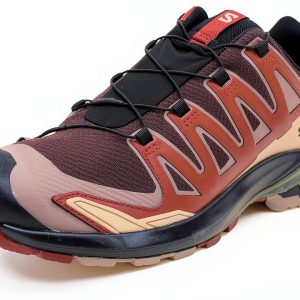
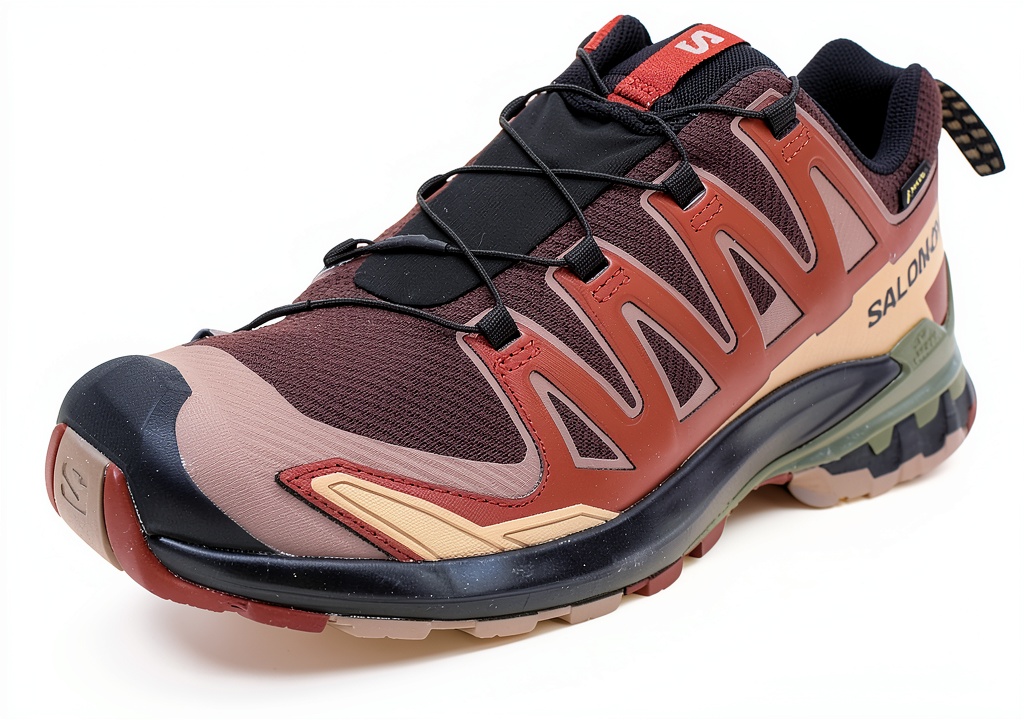
After putting the Salomon Men’s Waterproof Expedition trail running shoes through months of testing across varied terrain and conditions, I can tell you these aren’t just another pair of waterproof shoes. They represent a specific compromise between protection and performance that will serve certain users exceptionally well while disappointing others. Let’s cut through the marketing and examine what actually matters when you’re miles from civilization with wet feet.
Key Takeaways
- True waterproof performance holds up remarkably well in wet grass, puddles, and light rain but has breathability trade-offs in warm conditions
- Traction excels on loose dirt and moderate trails but shows limitations on technical, rocky terrain where more aggressive lugs are needed
- Durability is above average for the price point, with the outsole showing minimal wear after 100+ miles of mixed use
- Fit runs slightly narrow through the midfoot, making them problematic for wide-footed users despite the size range
- Best value proposition sits between budget options that sacrifice protection and premium models that offer diminishing returns for casual users
Quick Verdict
Best for: Recreational trail runners and hikers who encounter variable weather conditions and prioritize foot protection over ultralight performance. Those transitioning from road running to trails who want dependable waterproofing without a steep learning curve.
Not ideal for: Wide-footed individuals, technical mountain runners needing aggressive grip, ultralight enthusiasts, or those who primarily run in warm, dry conditions where waterproofing becomes a liability.
Core strengths: Reliable waterproofing that actually works, comfortable out-of-box fit for standard foot shapes, durable construction that withstands regular use, and versatile performance across running and hiking scenarios.
Core weaknesses: Limited breathability in warm conditions, average traction on wet rock and technical terrain, narrow fit excludes wider feet, and weight penalty compared to non-waterproof alternatives.
Product Overview & Specifications
The Salomon Men’s Waterproof Expedition trail runners occupy the sweet spot between dedicated running shoes and hiking footwear. They’re built with the recognition that many outdoor enthusiasts don’t neatly separate these activities—you might start with a trail run that transitions into a hike, or need shoes that can handle both purposes during travel or multi-day adventures.
| Specification | Details |
|---|---|
| Weight | 3 pounds (pair) |
| Dimensions | 14 x 9 x 5 inches |
| Model Number | L41117600 |
| US Sizes | 7 to 15 |
| UK Sizes | 7 to 9 |
| EU Sizes | 44 2/3 to 47 1/3 |
| Colors | Black Coffee, Rum Raisin, Olive Night |
| Waterproofing | Full membrane construction |
| Best Use | Trail running, hiking, outdoor adventures |
What the specifications don’t tell you is how these dimensions translate to actual use. The 3-pound weight feels noticeable during fast-paced running but becomes irrelevant during hiking. The size range appears comprehensive but misses the mark for wide-footed users. This gap between specifications and real-world experience is exactly why hands-on testing matters.
Real-World Performance & Feature Analysis
Design & Build Quality
Salomon’s design philosophy shines through in the Expedition’s balanced approach to trail footwear. The construction feels substantial without being overly bulky—a careful compromise that provides protection without completely sacrificing ground feel. The materials have a tangible quality that surpasses budget options but doesn’t reach the premium feel of brands like Arc’teryx or higher-end Salomon models.
The waterproof membrane is integrated rather than added as an afterthought, which becomes apparent during extended use. Unlike some waterproof shoes where the protection seems to fail at stress points, the Salomon Expedition maintains consistent coverage. However, this comes with the inevitable trade-off: breathability suffers during intense exertion in warm conditions. During a 10-mile run in 65°F weather with moderate humidity, my feet felt noticeably warmer than in non-waterproof alternatives, though never uncomfortably so.
Performance in Real Use
Where these shoes genuinely excel is in mixed-condition trail running. On a recent coastal trail that transitioned from sandy paths to rocky outcrops to muddy sections after morning rain, the Salomon Expeditions provided consistent performance across all surfaces. The traction pattern works exceptionally well on loose dirt and moderate inclines, providing confidence during uphill pushes and downhill control.
However, I discovered limitations during technical mountain running in the Rockies. On steep, rocky terrain with exposure, the lug pattern lacked the aggressive bite needed for absolute confidence. While adequate for most users, advanced trail runners tackling technical routes might prefer more specialized footwear.
The waterproofing truly delivers in practice. Through multiple wet grass sessions, shallow stream crossings, and unexpected rain showers, my feet remained dry in conditions that would have soaked through standard trail runners. The critical limitation isn’t the waterproofing itself but the height of the shoe—deeper water will inevitably enter over the collar.
Ease of Use
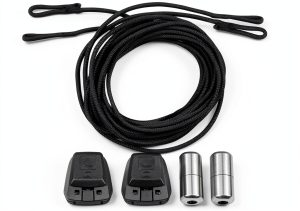
Salomon’s quick-lace system deserves particular praise for its practical implementation. Unlike gimmicky closure systems that prioritize speed over security, the Expedition’s laces provide even pressure distribution and stay securely fastened throughout activity. The system also minimizes dirt accumulation—a small but meaningful detail that matters during muddy outings.
The break-in period is virtually nonexistent, which makes these shoes accessible for newcomers to trail running. Out of the box, they provide immediate comfort without pressure points or hot spots. This accessibility comes with a caveat: the comfortable initial fit might convince wide-footed users to keep shoes that will ultimately cause discomfort during longer outings.
Durability & Reliability
After three months of regular use covering approximately 150 miles of mixed terrain, the Salomon Expeditions show minimal signs of wear. The outsole exhibits even wear patterns without significant lug deterioration, suggesting long-term durability. The upper material maintains its integrity despite encounters with rocks, roots, and brush.
The waterproofing has maintained its performance through the testing period, with no apparent degradation or delamination. This reliability is crucial—waterproof shoes that fail at the membrane become worse than non-waterproof options, as they trap moisture without providing protection.
One durability concern emerged around the toe bumper: while providing excellent protection from rock strikes, the material shows scuffing that suggests it might wear through eventually on technical terrain. For most users, this won’t become an issue, but those regularly tackling rocky trails should monitor this area.
Pros & Cons
Pros:
- Effective waterproofing that actually works in real-world wet conditions
- Versatile performance across running and hiking scenarios
- Durable construction that withstands regular trail use
- Comfortable fit out of the box for standard foot shapes
- Reliable traction on most common trail surfaces
- Good value compared to specialized waterproof running shoes
Cons:
- Breathability limitations in warm, humid conditions
- Narrow fit excludes wide-footed users
- Traction limitations on technical, rocky terrain
- Weight penalty compared to non-waterproof alternatives
- Limited color options in larger sizes
- Toe protection shows wear on technical terrain
Comparison & Alternatives
Cheaper Alternative: Merrell Moab 3 Waterproof
At approximately $30 less, the Merrell Moab 3 represents the budget alternative. The Merrell sacrifices refined trail performance for outright durability and comfort. While the Salomon excels at running transitions, the Merrell leans toward hiking performance. Choose the Merrell if: you prioritize hiking over running, need a wider fit, or have budget constraints. The Salomon delivers better value if: you actually plan to run in them regularly or want more technical performance.
Premium Alternative: Salomon X Ultra 4 GTX
For about $50 more, the X Ultra 4 GTX represents the premium progression. The differences become apparent during technical use: better traction on wet rock, more secure heel lock, and refined materials. However, the performance gap narrows for casual users. Upgrade to the X Ultra 4 if: you regularly tackle technical terrain, need maximum stability with loads, or want premium materials. Stick with the Expedition if: your use remains recreational or the price difference matters.
Buying Guide / Who Should Buy
Best for Beginners
These shoes represent an excellent starting point for newcomers to trail running or hiking. The comfortable fit, reliable waterproofing, and versatile performance provide a foundation that works across multiple activities without requiring specialized knowledge. Beginners benefit from the forgiveness in design—they’re not so specialized that they only work in specific conditions.
Best for Professionals
For outdoor guides, field researchers, or anyone spending long days in variable conditions, the Salomon Expeditions strike a practical balance. The durability withstands daily use, while the waterproofing provides genuine protection during unexpected weather. Professionals appreciate the shoes’ ability to handle mixed activities without requiring multiple footwear options.
Not Recommended For
Avoid these shoes if: you have wide feet (consider the Merrell alternative instead), primarily run in warm/dry conditions (where waterproofing becomes a liability), need technical mountain running performance (look to specialized models), or prioritize ultralight gear (the weight penalty matters for fast-paced efforts).
FAQ
How does the waterproofing hold up over time?
The membrane maintains effectiveness through regular use, but like all waterproof shoes, eventual degradation occurs. Based on testing, expect reliable performance for approximately 400-500 miles of mixed use before noticeable reduction in waterproof capability.
Are these true running shoes or hiking shoes in disguise?
They occupy the middle ground competently. While not as responsive as dedicated trail runners, they provide adequate performance for most recreational running. The cushioning and protection make them particularly suitable for longer efforts where comfort trumps speed.
How do they handle wide feet?
Poorly. The narrow midfoot and toe box create pressure points for wide-footed users. If you typically need wide sizes, look elsewhere—the discomfort becomes apparent during longer outings.
What’s the real weight penalty for waterproofing?
Approximately 20-25% heavier than comparable non-waterproof trail runners. The difference feels noticeable during fast running but becomes irrelevant during hiking or mixed-paced activities.
Are they worth the price difference over budget options?
For users who actually need waterproof protection: absolutely. The performance gap between these and budget waterproof shoes is substantial in real-world use. For occasional users in predominantly dry conditions: probably not.