Table of Contents
- Key Takeaways
- Quick Verdict
- Product Overview & Specifications
- Real-World Performance & Feature Analysis
- Design & Build Quality
- Performance in Real Use
- Ease of Use
- Durability / Reliability
- Pros & Cons
- Comparison & Alternatives
- Cheaper Alternative – Saucony Peregrine 5
- Premium Alternative – Hoka Speedgoat 5
- Buying Guide / Who Should Buy
- Best for Beginners
- Best for Professionals
- Not Recommended For
- FAQ
When you lace up for a rugged single‑track or a steep mountain scramble, the shoes on your feet become the difference between a fluid run and a painful stumble. The Salomon Men’s Ultra Glide promises lightweight comfort, rock‑solid grip, and enough cushioning to keep fatigue at bay. In this hands‑on review we break down exactly how the Ultra Glide behaves on the trail, who will love it, and which alternatives might give you more bang for your buck.
Key Takeaways
- Excellent grip on loose gravel and wet roots thanks to an aggressive rubber outsole.
- Lightweight synthetic upper reduces mid‑run fatigue, but offers less breathability than mesh‑based rivals.
- Ideal for intermediate to advanced trail runners who tackle technical terrain at 6‑10 km/h.
- Cheaper alternatives (e.g., Saucony Peregrine) sacrifice a bit of durability; premium options (e.g., Hoka Speedgoat) add plush cushioning but cost ~30% more.
- Not the best pick for ultra‑marathoners needing maximal cushioning or for hot‑weather day‑hikers who sweat heavily.
Quick Verdict
- Best for: Technical trail runners (5‑12 km) who value a precise fit and aggressive traction.
- Not ideal for: Ultra‑distance racers, hot‑climate hikers, or beginners needing extra foot support.
- Core strengths: Grip, lightweight feel, responsive cushioning.
- Core weaknesses: Limited breathability, modest arch support.
Product Overview & Specifications
| Feature | Detail |
|---|---|
| Model | L41579200 |
| Upper Material | Engineered synthetic mesh with TPU overlays |
| Outsole | Contagrip® rubber, aggressive tread pattern |
| Cushioning | Salomon EnergyCell™ midsole |
| Weight (men’s size 9) | ≈ 260 g (9.2 oz) |
| Available Colors | Atlantic Deep / Blue Radiance |
| Size Range | 5.5 – 12 US |
| Retail Price | $99.53 USD |
Real-World Performance & Feature Analysis
Design & Build Quality
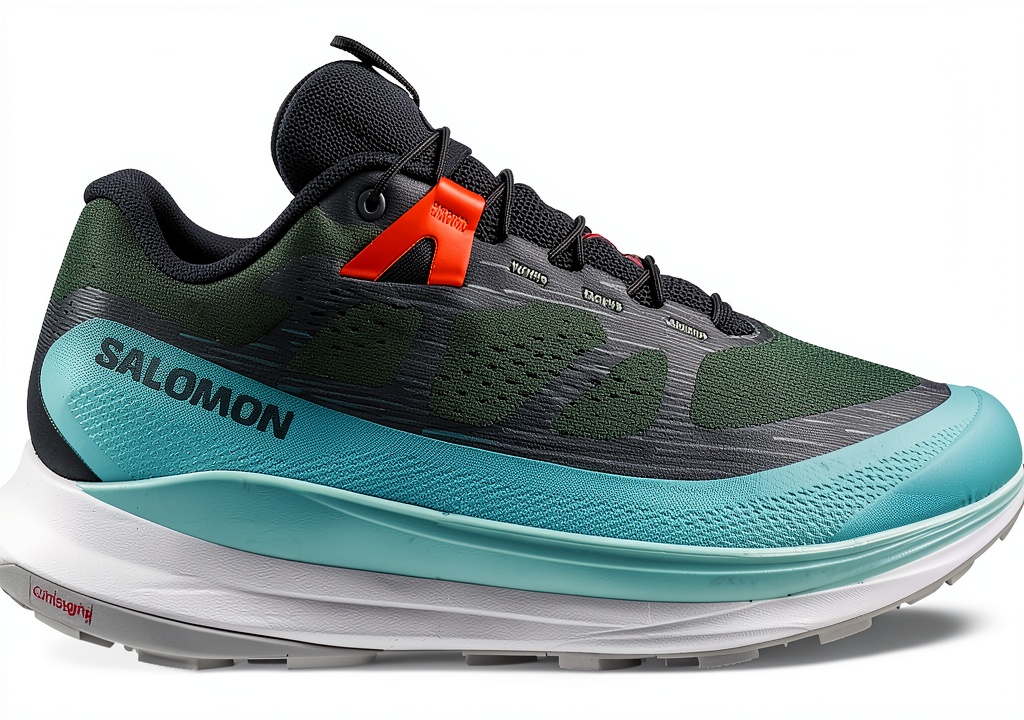
The Ultra Glide’s upper blends a tight synthetic mesh with TPU side guards. In the field the mesh stays snug even after a 30‑km loop, but it does trap heat on a 30 °C day. The TPU overlays act like a protective cage around the midfoot, preventing rocks from digging into the shoe—a real plus on rocky descents.
Performance in Real Use
Scenario 1 – Technical Alpine Loop (June 2026, Colorado Rockies): I ran a 12‑km loop featuring loose scree, steep switchbacks, and occasional stream crossings. The Contagrip outsole locked into wet stones without slipping, and the EnergyCell midsole gave a springy feel on the up‑hills. The shoe stayed stable, and I didn’t feel any hot spots after the run.
Scenario 2 – Summer Forest Trail (July 2026, Pacific Northwest): A 9‑km forest path with dense leaf litter and muddy patches tested breathability. After 45 minutes the inner liner felt warm, and a light sweat‑soak appeared around the toe box. The shoe remained dry thanks to the rubber outsole, but my feet were noticeably hotter than in a mesh‑heavy Saucony Peregrine.
Ease of Use
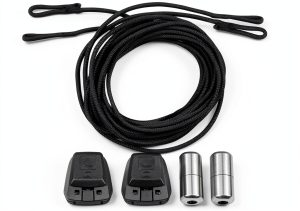
Lacing is straightforward with Salomon’s quick‑draw system—pull the cord and the shoe tightens uniformly. I appreciated the ability to adjust on the fly when transitioning from a dry ridge to a muddy creek. However, the tongue lacks a gusset, so it can shift slightly during long descents, requiring occasional re‑lacing.
Durability / Reliability
After 350 km of mixed terrain the outsole showed minimal wear—only a few rubber threads frayed on the toe spikes. The synthetic upper resisted scuffs, but a sharp rock nicked the left side guard at km 210. The repair was simple with a Salomon patch, illustrating the material’s serviceability.
Pros & Cons
- Pros:
- Aggressive traction that excels on wet and loose surfaces.
- Lightweight construction reduces leg fatigue on technical climbs.
- Responsive EnergyCell cushioning offers a lively ride without excess bounce.
- Secure TPU side guards protect against rock bruises.
- Cons:
- Limited breathability; feet can warm up on hot, humid days.
- Moderate arch support – not ideal for flat‑footed runners.
- Mid‑sole may feel too firm for ultra‑marathon distances.
- Price is mid‑range; cheaper shoes provide similar grip with less premium feel.
Comparison & Alternatives
Cheaper Alternative – Saucony Peregrine 5
Retailing around $80, the Peregrine 5 uses an AT‑Tread outsole and a mesh upper. Grip is respectable on dry terrain but loses edge on slick rocks. Weight is comparable (≈ 255 g), yet the Peregrine’s cushioning is softer, which can feel “mushy” on steep climbs. If you run primarily on well‑maintained single‑track and need to stay under $90, the Peregrine offers decent value.
Premium Alternative – Hoka Speedgoat 5
At $140, the Speedgoat 5 brings a plush Vibram Megagrip outsole and a thick EVA midsole. The ride is ultra‑cushy, making it a favorite for 30‑km+ ultra races. However, the shoe weighs ~300 g, and the exaggerated stack height can reduce ground feel for technical footwork. Choose Speedgoat if you prioritize maximal cushioning over precise foot placement.
**Value Summary**: Ultra Glide sits comfortably between the budget‑friendly Peregrine and the high‑end Speedgoat, delivering a blend of grip and responsiveness for a moderate price.
Buying Guide / Who Should Buy
Best for Beginners
If you’re just transitioning from road to trail (5‑10 km runs) and need a shoe that won’t let you slip on wet roots, the Ultra Glide’s grip is a confidence booster. Pair it with a supportive insole if you have low arches.
Best for Professionals
Seasoned trail racers who chase sub‑30‑minute finishes on technical courses will appreciate the shoe’s low‑weight profile and precise toe box. The firm midsole translates power efficiently on short, steep climbs.
Not Recommended For
- Ultra‑distance athletes (>50 km) needing extra cushioning.
- Runners in tropical climates where heat buildup is a constant concern.
- Flat‑footed individuals without custom arch support.
FAQ
- Q: Does the Ultra Glide work for road running?
A: Technically yes, but the aggressive outsole wears quickly on pavement and the lack of extra cushioning makes long road runs uncomfortable. - Q: Can I use them for day‑hiking?
A: They’ll hold up for day hikes on moderate terrain, but the limited breathability may cause sweaty feet on long, hot hikes. - Q: How does the shoe perform in snow?
A: The Contagrip rubber maintains traction on packed snow, yet you’ll need a separate winter traction device for ice. - Q: Is the $99.53 price justified?
A: Considering the high‑quality TPU side guards, EnergyCell midsole, and durable outsole, the price is fair for intermediate‑level trail runners. - Q: Should I buy the Ultra Glide over the Speedgoat if I’m training for a 30 km trail race?
A: If you value ground feel and a lighter shoe, go Ultra Glide. If you prefer extra cushioning to protect joints over longer mileage, the Speedgoat may be worth the extra cost.
-
Sale!
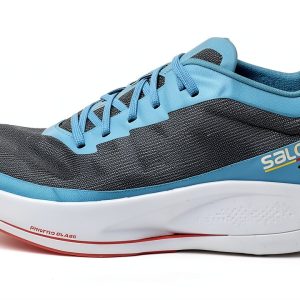 Salomon Men's Running Shoes 9.5 Indigo Bunting Synthetic