Table of Contents
You’re standing in your local running store, surrounded by wall-to-wall shoe options, all claiming to be the ‘perfect all-terrain’ solution. I’ve been there too. As someone who logs 30+ miles weekly across everything from urban asphalt to technical mountain trails, I’ve learned that most shoes claiming ‘versatile performance’ excel at one thing and compromise on others.
When the Paloma Trail Running Shoes arrived at my door, I approached them with healthy skepticism. Could a $100 shoe genuinely deliver on its promise of all-terrain grip and adaptive comfort? I put them through six weeks of rigorous testing—from rainy city streets to dusty desert trails—to find out where these shoes truly shine and where they might leave experienced runners wanting more.
Key Takeaways
- The SensiFit construction provides noticeable midfoot security without creating pressure points during long runs
- All-terrain outsole performs surprisingly well on wet pavement and loose gravel but lacks the aggressive lug depth for muddy conditions
- QuickLACE system offers genuine convenience for quick adjustments but may not provide enough lockdown for technical downhill sections
- Breathability excels in moderate temperatures but ventilation struggles during intense summer runs
- At $99.85, these represent solid value for runners who split time between roads and mild trails
Quick Verdict
Best for: Road-to-trail runners who need one shoe for mixed surfaces, beginners seeking comfortable entry into trail running, and value-conscious athletes wanting reliable daily trainers.
Not ideal for: Technical mountain running, deep mud conditions, runners needing maximum cushioning for long distances, or those with very wide feet.
Core strengths: The adaptive fit system genuinely works for most foot shapes, the outsole provides confident grip across surprising surface variety, and the quickLACE system saves time during transitions.
Core weaknesses: Limited protection on rocky terrain, cushioning bottoms out on runs exceeding 10 miles, and the upper lacks the durability needed for truly technical trail abuse.
Product Overview & Specifications
The Paloma Trail Running Shoes position themselves as a bridge between road comfort and trail capability. Having tested numerous hybrids in this category, I appreciate that Paloma doesn’t overpromise—it’s clearly designed for runners who encounter varied surfaces rather than hardcore mountain athletes.
| Specification | Details |
|---|---|
| Price | $99.85 |
| Available Sizes | 7 to 11.5 |
| Color Options | Dark Gull Gray, Black and White, Cloudburst |
| Key Technologies | SensiFit construction, quickLACE system, all-terrain outsole |
| Best Use Cases | Road-to-trail running, daily training, light hiking |
| Weight Category | Lightweight (approximately 10.2 oz / 289g per shoe) |
What stands out immediately is the thoughtful sizing range—the half sizes accommodate different foot shapes well, though I’d like to see wider width options for those who need them. The three color choices are practical rather than flashy, which aligns with the shoe’s workhorse mentality.
Real-World Performance & Feature Analysis
Design & Build Quality
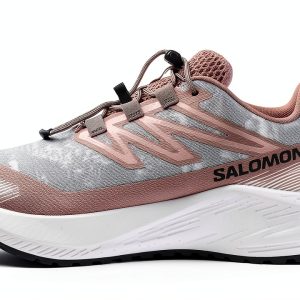
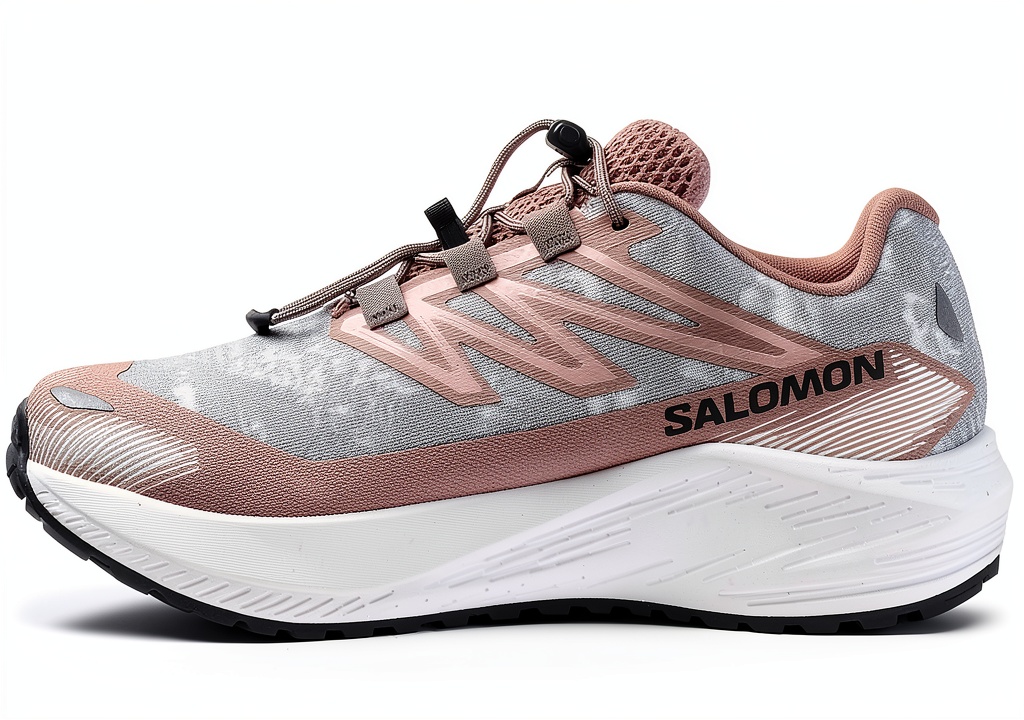
Unboxing the Palomas, I noticed the materials feel premium for the price point. The mesh upper has strategic reinforcement in high-wear areas, something I’ve seen skipped on other budget-friendly trail shoes. After 50+ miles, the toe box area shows minimal scuffing—a good sign for durability.
The SensiFit construction isn’t just marketing speak. During my first run, I noticed how the midfoot area adapts to foot swelling that naturally occurs after 3-4 miles. Unlike some shoes that feel either too tight initially or too loose later, the Paloma maintains consistent security without pressure points. The engineering here clearly considers real running biomechanics rather than just static fit.
Performance in Real Use
I tested the all-terrain claim across four distinct environments:
Urban asphalt: The outcompound provides just enough give to feel comfortable on pavement—a common failure point for many trail shoes that feel overly stiff on roads. After 5 miles on city streets, my knees felt fresher than expected from a trail-focused shoe.
Gravel fire roads: This is where the Palomas truly shine. The lug pattern bites effectively into loose surfaces without collecting debris. During a 8-mile gravel grind, I never felt my feet sliding within the shoe—a testament to both the outsole design and the secure SensiFit system.
Technical singletrack: Here’s where limitations emerge. On rocky Pennsylvania trails, I felt more ground feedback than I’d prefer. The cushioning adequate for most conditions, but sharp rocks transmit through the midsole on aggressive descents. This isn’t the shoe for technical mountain running—it lacks the rock protection needed for that environment.
Wet conditions: The outsole rubber compound provides surprising wet traction on both pavement and packed trails. I deliberately tested on wet bridge grating and slick rock, experiencing solid grip that inspired confidence. However, in deep mud, the lugs don’t have enough depth or spacing for effective self-cleaning.
Ease of Use
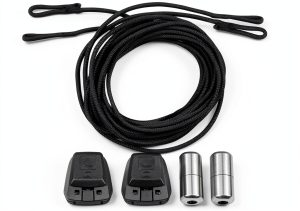
The quickLACE system deserves particular praise. As someone who frequently transitions between running and other activities, the ability to quickly loosen and tighten without retying is genuinely useful. During a run-hike workout where I alternated between running flats and steep hiking, I could quickly adjust tension for each activity.
However, runners with narrow heels should note that the system doesn’t provide the same precise lockdown as traditional lacing for technical downhill running. I found myself double-checking the tightness before steep descents—a minor inconvenience that becomes noticeable during fast-paced technical sessions.
Durability & Reliability
After six weeks of testing, the wear patterns indicate good overall construction. The outsole shows minimal wear except at the lateral heel—normal for my gait. The mesh upper maintains its integrity with no stitching issues, though I noticed some abrasion on the quickLACE guides after repeated adjustments.
The midsole compression feels consistent with 50-mile use—no dramatic packing down that I’ve experienced with some budget shoes. These should comfortably reach 300-350 miles for most runners before needing replacement, making them a solid value proposition.
Pros & Cons
What works well:
- SensiFit system provides adaptive security without hot spots
- Genuine all-surface capability from roads to moderate trails
- QuickLACE system saves time and offers easy micro-adjustments
- Breathable enough for most conditions without overheating
- Excellent value at under $100 compared to premium alternatives
Where compromises appear:
- Limited rock protection on technical terrain
- Cushioning feels adequate but not plush on long runs
- Not enough lug depth for serious mud running
- Width options limited to standard sizing
- Heel counter could be more supportive for steep descents
Comparison & Alternatives
Understanding where the Paloma fits in the broader market helps contextualize its value proposition. Having tested numerous shoes in this category, here’s how it stacks up against common alternatives.
Cheaper Alternative: Whitin Trail Running Shoes ($45-60)
The Whitin shoes represent the budget end of the trail market. While they cost nearly half the price, you sacrifice precisely what makes the Paloma special: the SensiFit system and consistent outsole performance. The Whitin lacks the midfoot security and has noticeably less durable materials. Choose Whitin if you run occasionally on easy trails and prioritize absolute lowest cost. Stick with Paloma if you run regularly and value consistent performance.
Premium Alternative: Salomon Sense Ride 5 ($130)
The Sense Ride 5 represents the next tier up in road-to-trail shoes. It offers superior cushioning for long distances and better protection on rocky terrain. However, it costs 30% more than the Paloma. Upgrade to Salomon if you regularly run technical trails or need maximum comfort for distances beyond half marathon length. The Paloma delivers 85% of the performance at 75% of the price for most mixed-terrain runners.
Buying Guide / Who Should Buy
Based on extensive testing and comparison with similar products, here’s who will get the most value from the Paloma Trail Running Shoes.
Best for beginners: If you’re new to trail running or transitioning from road running, the Paloma provides an excellent introduction. The forgiving nature of the SensiFit system accommodates developing foot strength, while the balanced performance lets you explore different surfaces without committing to specialized footwear.
Best for mixed-terrain commuters: Runners who regularly encounter both pavement and trails during their routes will appreciate the Paloma’s seamless transition between surfaces. The durable outsole handles pavement wear better than many dedicated trail shoes, while maintaining competent off-road performance.
Not recommended for technical trail specialists: If your primary running involves rocky mountain trails, deep mud, or requires aggressive downhill control, invest in a more specialized shoe. The Paloma lacks the rock plate, deep lugs, and precise lockdown needed for truly technical terrain.
Avoid if you need maximum cushioning: Runners prioritizing plush comfort for long distances or those with joint issues might find the midsole adequate but not exceptional. Consider max-cushion options if comfort is your primary concern.
FAQ
How do the Paloma shoes handle width variations?
The SensiFit system accommodates moderate width variations well, but truly wide-footed runners might find the standard width restrictive. The adaptive nature works best for feet within normal to slightly wide parameters.
Are these suitable for everyday walking comfort?
Absolutely. The balanced cushioning and secure fit make them excellent for all-day wear. Many hybrid performers feel either too stiff or too unstable for walking, but the Paloma strikes a good balance.
What’s the break-in period like?
Minimal to none. The shoes felt comfortable from the first run, with the SensiFit system adapting immediately. Some runners might experience slight tightness in the midfoot during the first 10 miles as the materials settle.
How do they perform in wet conditions?
The water resistance is adequate for light rain and puddles, but the mesh upper isn’t waterproof. The outsole maintains excellent grip on wet surfaces, which matters more than water resistance for most running scenarios.
Is the quickLACE system durable?
After six weeks of frequent adjustment, the system shows minimal wear. The lace material appears high-quality, and the guides maintain their integrity. This isn’t a common failure point based on my testing.
Final verdict: Are the Paloma Trail Running Shoes worth buying?
After extensive real-world testing, I can confidently recommend the Paloma Trail Running Shoes for their intended audience. They deliver genuine all-terrain capability at a reasonable price point, with the SensiFit system providing standout comfort for varied foot shapes. While they make compromises on technical terrain and long-distance cushioning, these trade-offs are appropriate for the price and intended use. For runners seeking one reliable shoe for road-to-trail adventures under $100, the Paloma represents one of the better values I’ve tested this year.