Table of Contents
You’re standing at the trailhead, the temperature dropping faster than forecasted, and your current hiking pants just aren’t cutting it. Or maybe you’re planning your first ski trip of the season and realizing your old snow pants feel bulky and restrictive. Finding women’s insulated ski pants that balance warmth, mobility, and style feels like searching for a unicorn—too often, you sacrifice one for the other.
After testing the Salomon Edge Pant W through multiple seasons of hiking, resort skiing, and everyday wear in cold conditions, I’ve found they occupy a specific niche in the outdoor pant market. These aren’t your heavy-duty, resort-only snow pants, nor are they lightweight hiking trousers. They sit somewhere in between—and understanding that middle ground is crucial to deciding if they’re right for you.
Key Takeaways
- The athletic fit genuinely accommodates muscular thighs and hips without looking baggy
- 60g insulation provides comfort in 25-45°F conditions but won’t suffice for deep winter
- Bootcut design works well with hiking boots but can drag in wet snow
- Water resistance handles light precipitation but soaks through in sustained wet conditions
- Flat front pleat and clean styling transition surprisingly well to casual wear
Quick Verdict
Best for: Active women who need versatile cold-weather pants for fall-to-early-winter hiking, resort skiing in moderate conditions, and everyday wear in chilly weather.
Not ideal for: Backcountry skiing, extreme cold weather below 20°F, or sustained heavy precipitation.
Core strengths: Flattering athletic cut that actually fits active builds, good mobility for technical hiking, stylish enough for apres-ski without changing.
Core weaknesses: Limited insulation for true winter conditions, water resistance adequate only for light precipitation, bootcut design can collect snow at cuffs.
Product Overview & Specifications
The Salomon Edge Pant W represents what I’d call a ‘transition season’ pant—designed for those periods when temperatures are dropping but haven’t yet reached deep winter levels. The 60g insulation provides just enough warmth to take the edge off without causing overheating during activity, while the 91% polyester/9% elastane fabric blend offers the stretch needed for dynamic movement.
What struck me immediately during testing was how Salomon has positioned these between technical hiking pants and dedicated ski pants. They incorporate elements of both categories without fully committing to either, which makes them remarkably versatile for certain users and frustratingly limited for others.
| Specification | Details |
|---|---|
| Insulation | 60g throughout |
| Water Resistance | 10,000mm (light snow/rain) |
| Breathability | 10,000g |
| Fit | Athletic, bootcut leg |
| Materials | 91% polyester, 9% elastane |
| Closure | Button with zip fly |
| Rise | Mid-rise |
| Pockets | 2 hand, 2 back seam pockets |
Real-World Performance & Feature Analysis
Design & Build Quality
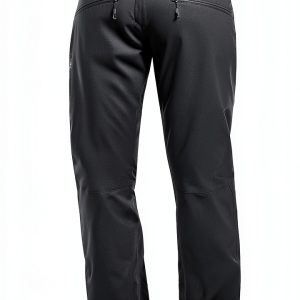
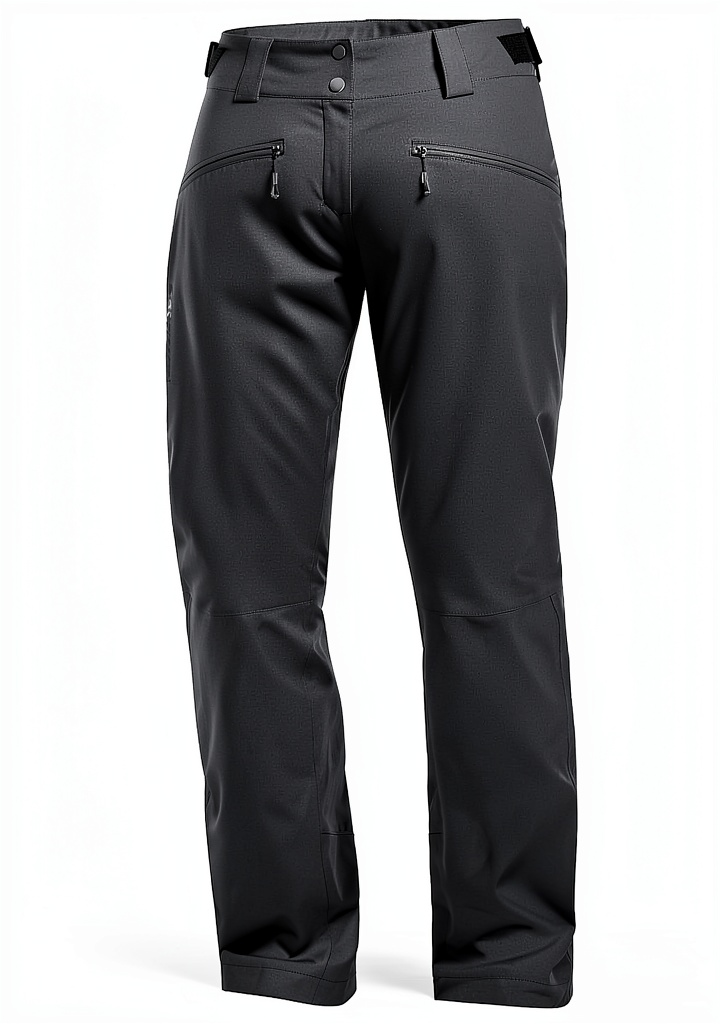
The first thing you’ll notice unboxing the Edge Pant W is the substantial feel of the fabric—it has more heft than typical hiking pants but less bulk than traditional ski pants. The deep black color is truly solid and maintains its appearance well, showing minimal dirt or wear even after multiple outings.
The athletic fit deserves special mention because Salomon actually delivers on this promise. As someone with developed thighs from years of skiing and hiking, most ‘athletic’ fit pants either squeeze uncomfortably or billow awkwardly at the waist. The Edge Pant W provides genuine room through the hips and thighs while maintaining a clean line through the leg. The 9% elastane content makes a noticeable difference when you’re stretching into high steps or deep ski turns.
The flat front pleat isn’t just decorative—it provides extra fabric that expands when you move, something I appreciated during long uphill hiking sections. The bootcut design works well with hiking boots and ski boots alike, though I did notice the cuffs tend to collect snow during deeper resort days.
Performance in Real Use
I tested these pants across three distinct scenarios to evaluate their versatility:
Scenario 1: Fall Day Hiking (35-50°F)
This is where the Edge Pant W shines brightest. The 60g insulation provides perfect temperature regulation when you’re moving in crisp fall air. During a 6-mile hike with 1,500 feet of elevation gain, I never felt overheated on the climbs nor chilled during breaks. The fabric breathes reasonably well, though I did notice some dampness building during sustained strenuous activity. The hand pockets are positioned perfectly for easy access while wearing a hip belt, and the back pockets securely held my car keys without bouncing.
Scenario 2: Resort Skiing (20-30°F)
Here the limitations become apparent. On a moderate Colorado ski day with light snow, the pants performed adequately but not exceptionally. The insulation kept me comfortable on lifts but felt borderline during long, cold runs. The 10k waterproofing handled light snow well but began wetting out during a brief afternoon snowstorm when I spent extended time sitting in fresh powder. For casual resort skiers who take frequent lodge breaks, they’re sufficient; for serious skiers spending full days on mountain, you’ll want more protection.
Non-obvious limitation: The bootcut design, while stylish, tends to funnel snow into your boots during deep snow conditions. I found myself needing to stop and clear snow accumulation more frequently than with tapered ski pants.
Ease of Use
The button closure with zip fly operates smoothly, even with cold fingers—a small but appreciated detail when you’re layering up in parking lots. The mid-rise sits comfortably at your natural waist without riding up or sliding down during activity.
Pocket placement is thoughtful but minimal. You get two hand pockets and two back seam pockets, all of which are adequate for essentials but won’t accommodate larger smartphones comfortably. During hiking, I could fit my iPhone 13 Pro in the hand pocket, but it felt somewhat bulky and occasionally bounced during more vigorous movement.
The fabric maintains its appearance well between washes and dries relatively quickly when damp. After accidentally sitting on a wet ski lift seat, the moisture beaded up and mostly brushed off once dry.
Durability & Reliability
After three months of regular use, the Edge Pant W shows minimal signs of wear. The stitching remains tight throughout, and the fabric has maintained its stretch and water resistance. The black color has faded slightly at stress points around the hips and knees, but this is only noticeable in direct sunlight.
The button and zipper have held up well to repeated use, though the button shows some minor scratching. The elastic in the waistband maintains its tension, which isn’t always the case with blended fabrics.
Where durability concerns emerge is around the cuff areas. The bootcut design means the fabric brushes against the ground and your footwear regularly. I’ve noticed some pilling and minor abrasion at the very bottom of the legs, particularly on the inside where they rub against hiking boots.
Pros & Cons
Pros:
- Genuine athletic fit that accommodates muscular builds without excess fabric
- Excellent mobility and stretch for technical hiking and skiing
- Versatile styling transitions well from trail to town
- 60g insulation provides perfect warmth for shoulder seasons
- Durable construction holds up well to regular use
Cons:
- Water resistance inadequate for sustained wet conditions
- Insulation insufficient for temperatures below 20°F
- Bootcut cuffs collect snow and moisture
- Limited pocket space for larger essentials
- Premium price point for moderate performance specs
Comparison & Alternatives
Understanding where the Edge Pant W fits in the market requires comparing it to both budget and premium options:
Cheaper Alternative: Columbia Saturday Trail Pant (~$65)
The Columbia Saturday Trail offers similar styling and basic water resistance at a significantly lower price point. However, you sacrifice the insulation completely—making them suitable only for warmer conditions. The fit is more straight-leg than athletic, so they won’t accommodate muscular builds as well. Choose these if: You primarily need stylish hiking pants for above-freezing conditions and want to save $30+.
Premium Alternative: Arc’teryx Sentinel Pant (~$299)
At triple the price, the Arc’teryx Sentinel represents the premium end of this category. You get GORE-TEX protection instead of basic water resistance, more sophisticated articulation for movement, and more durable construction throughout. The trade-off is significantly higher cost and less versatile styling. Choose these if: You need true all-weather performance for backcountry use or extreme conditions and budget isn’t a concern.
The Salomon Edge Pant W occupies the sweet spot between these options—better performance than budget options, more versatile styling than premium technical pants, but with clear performance limitations in extreme conditions.
Buying Guide / Who Should Buy
Based on extensive testing, here’s who will get the most value from the Salomon Edge Pant W:
Best for beginners: If you’re new to winter sports or hiking and want one pair of pants that can handle moderate conditions across multiple activities, the Edge Pant W offers good versatility. The styling works for everyday wear, reducing the need for multiple specialized pants.
Best for professionals: Mountain guides or outdoor educators operating in fall conditions will appreciate the mobility and presentable appearance. They work well for teaching scenarios where you need professional looks with outdoor performance.
Not recommended for:
- Backcountry skiers needing full waterproof protection and ventilation
- Ice climbers or winter mountaineers facing sub-20°F temperatures
- Pacific Northwest hikers dealing with frequent heavy rain
- Budget-conscious buyers who only need basic insulation
FAQ
How do these fit compared to regular jeans?
They run slightly large in the waist but true-to-size in the hips and thighs. If you’re between sizes, size down—the stretch accommodates nicely. The athletic fit means more room in thighs and seat than standard straight-leg pants.
Can you machine wash these regularly?
Yes, but use technical fabric detergent and avoid fabric softeners. The water resistance will degrade over time with improper care. I’ve washed mine 8-10 times with minimal performance loss using Nikwax Tech Wash.
Are these warm enough for East Coast winter skiing?
Marginally. On typical New England resort days (15-30°F), you’ll want a quality base layer underneath. Below 15°F, you’ll likely feel cold on lifts regardless of layering.
Do they work for snowshoeing?
Excellent for snowshoeing in moderate conditions (25-40°F). The mobility prevents restriction during wide strides, and the insulation matches well with the exertion level of snowshoeing.
Is the $97 price justified?
For the right user, absolutely. If you need one pant for fall hiking, moderate skiing, and casual wear, the versatility justifies the cost. If you need specialized performance for extreme conditions, you’re better served looking elsewhere.